How to Keep Bugs Out of Your Lanai All Summer (Florida Homeowner Guide)
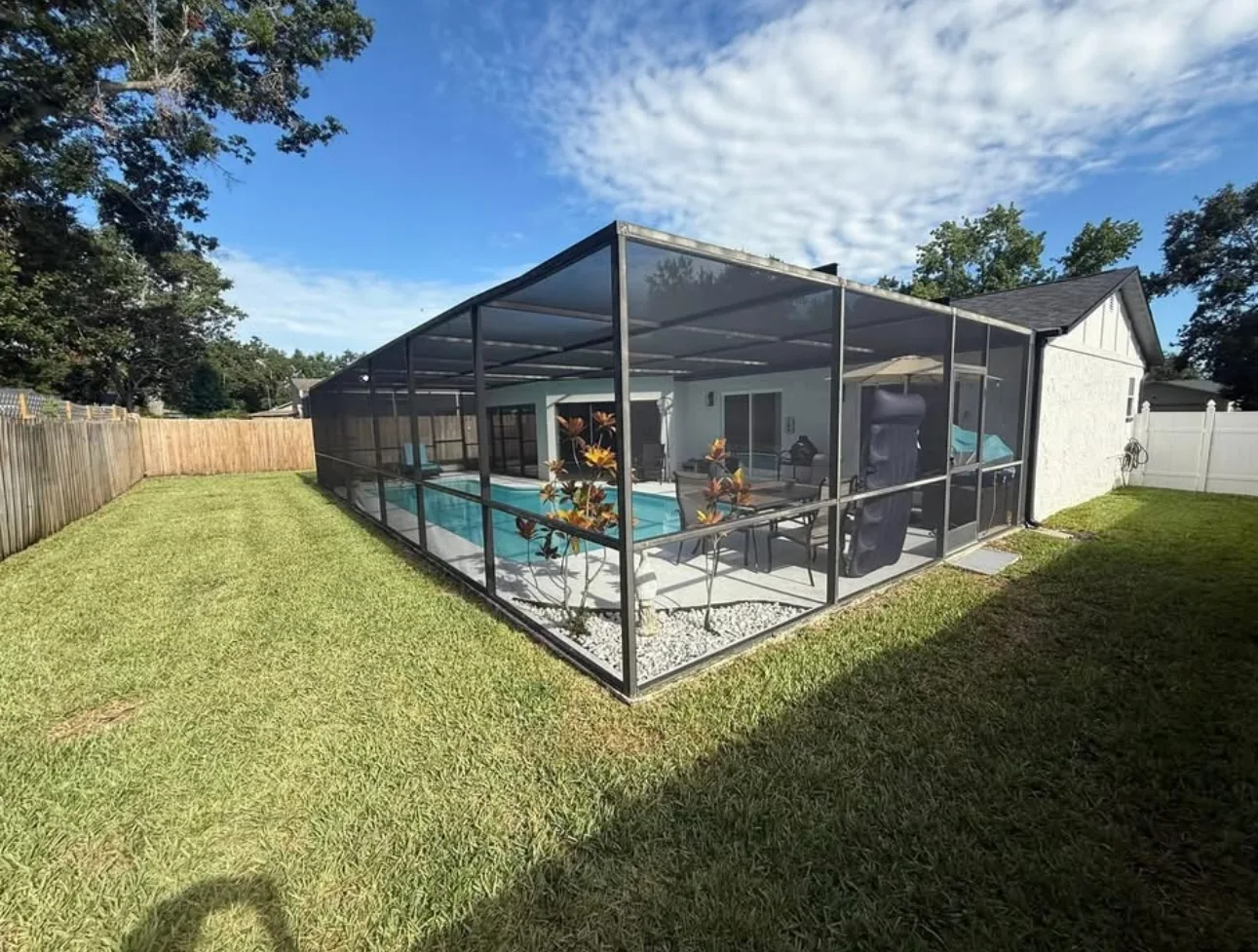
If you want to know how to keep bugs out of a lanai, you’re not alone, it’s one of the most common frustrations we hear from Tampa Bay homeowners. Our warm, humid climate makes Florida lanais a magnet for mosquitoes, love bugs, and no-see-ums. But a bug-free outdoor space is absolutely achievable. At Crego Screen Enclosures in Hudson, we’ve spent more than a decade helping families across Pasco, Pinellas, Hillsborough, and Hernando counties reclaim their patios. Here’s exactly how we do it.
Why Florida Lanais Attract So Many Bugs
Florida lanais attract bugs because they offer warm, humid, shaded spaces filled with water, plants, and light, everything insects need to thrive. Our subtropical climate speeds up breeding, especially for mosquitoes, and keeps insects active nearly year-round.
Standing water is a huge factor. Clogged gutters, birdbaths, potted plant saucers, and low spots in the yard all become mosquito nurseries. Add dense vegetation and moist mulch nearby, and you’ve created ideal shelter for a wide range of insects.
Lighting plays a role too. Bright, cool-toned outdoor bulbs draw flying insects at night, pulling them straight toward your screen. Understanding these triggers is the first step to keeping your lanai comfortable.
Common Culprits: Mosquitoes, Love Bugs, and No-See-Ums
Three pests cause the most complaints. Mosquitoes breed in standing water and stay active in our warm, humid air. Love bugs swarm in spring and fall, drawn to light and surfaces, and cling to everything in sight. No-see-ums, or biting midges, are the sneakiest of all; they’re tiny enough to slip through standard screen mesh and love damp, coastal, and marshy areas common near the Gulf.
Seal Gaps and Repair Damaged Screens
The fastest way to keep bugs out is to seal the gaps they’re using to get in. We inspect doors, corners, roof and soffit areas, and every spot where screen panels meet the framing. Even a small opening is an open invitation.
Next, we repair or replace torn screens, loose splines, and worn door sweeps. A door that doesn’t close tightly is one of the most overlooked entry points on a Florida lanai. Small fixes here often make a dramatic difference.
When to Rescreen Your Lanai
It’s time to rescreen when you notice holes, tears, corrosion, sagging mesh, or insects getting in even though closed doors. Florida’s intense UV, summer storms, and salt air shorten screen life considerably. Many homeowners rescreen every 8 to 10 years, sooner in harsher coastal conditions. If your screens look faded or feel brittle, they’re overdue for attention.
Upgrade to No-See-Um Mesh for Maximum Protection
If tiny biting insects are still getting through, standard screen is your problem. Most lanais use an 18×14 mesh, which stops mosquitoes and love bugs but does little against no-see-ums.
Upgrading to no-see-um mesh, typically a 20×20 or finer weave, blocks these tiny midges while still allowing solid airflow. This is one of the best investments coastal homeowners in Pinellas and Pasco can make, especially near marshy areas and waterfront neighborhoods.
We often recommend combining no-see-um mesh on the lower panels, where biting insects tend to enter, with standard screen above to balance protection and ventilation. Our team can help you decide the right configuration for your home and budget during a free consultation.
Reduce Standing Water and Eliminate Breeding Grounds
You can seal every gap and still fight mosquitoes if breeding grounds sit just outside your lanai. Standing water is where mosquitoes lay eggs, so removing it is essential.
Keep gutters, downspouts, birdbaths, buckets, pots, and kiddie pools free of standing water. Turn containers over or store them so they can’t collect rain between uses. It only takes a bottle cap of water for mosquitoes to breed.
Don’t ignore your yard, either. Fix poor drainage, fill low spots, and consider a French drain if water pools after our summer downpours. For ponds, water features, and pools, keep the water circulating and properly treated. Moving, chlorinated water is far less inviting to insects than a stagnant puddle.
Smart Landscaping and Lighting Choices That Deter Bugs
Your landscaping and lighting can either invite bugs or push them away. Start by keeping grass and shrubs trimmed, and avoid piling heavy, wet mulch right against the lanai where insects hide.
Strategic planting helps too. Bug-repellent plants like lavender, basil, rosemary, lemongrass, citronella, mint, marigolds, and geraniums work naturally near your enclosure. They look great and add fragrance while gently discouraging pests.
Lighting is the final piece. Swap bright, cool or blue-toned bulbs for warm, amber “bug” lights rated under 3000K, which attract far fewer flying insects. Add motion sensors and dim the brightness where you can. Combined with tight screening, fine no-see-um mesh, and water management, smart lighting gives you the most effective bug control for any Florida lanai.
When you’re ready to build or upgrade your outdoor space, our licensed and insured team at Crego Screen Enclosures can help, from rescreening and repairs to full custom pool cages engineered for Tampa Bay’s climate.
Frequently Asked Questions About Bug-Free Lanais
What is the best screen mesh to keep no-see-ums out?
A fine no-see-um mesh, usually 20×20 or tighter, is the most effective option. Standard 18×14 screen lets these tiny biting midges through, which is why coastal homeowners often upgrade.
How often should I rescreen my lanai in Florida?
Most homeowners rescreen every 8 to 10 years. Florida’s UV exposure, storms, and salt air can shorten that timeline, so inspect for tears, sagging, and corrosion regularly.
Do bug-repellent plants really work on a lanai?
Plants like citronella, lavender, and marigolds help reduce insect activity when placed near your enclosure. They work best as one part of a broader plan that includes sealed screens and water control.
Why are love bugs worse at certain times of year?
Love bugs swarm mainly in spring and fall across Florida. They’re drawn to light and surfaces, so warm-toned lighting and sealed screens help keep them off your lanai.
Can you help with bug problems on an existing pool cage?
Yes. We serve Pasco, Pinellas, Hillsborough, and Hernando counties with rescreening, gap sealing, and no-see-um mesh upgrades, all backed by warranty. Start with a free, no-obligation consultation.